Menu

Need to Sell Your House Fast? Trust Milo House Buyers. Call Us Now.
Need to Sell Your House Fast? Trust Milo House Buyers. Call Us Now.
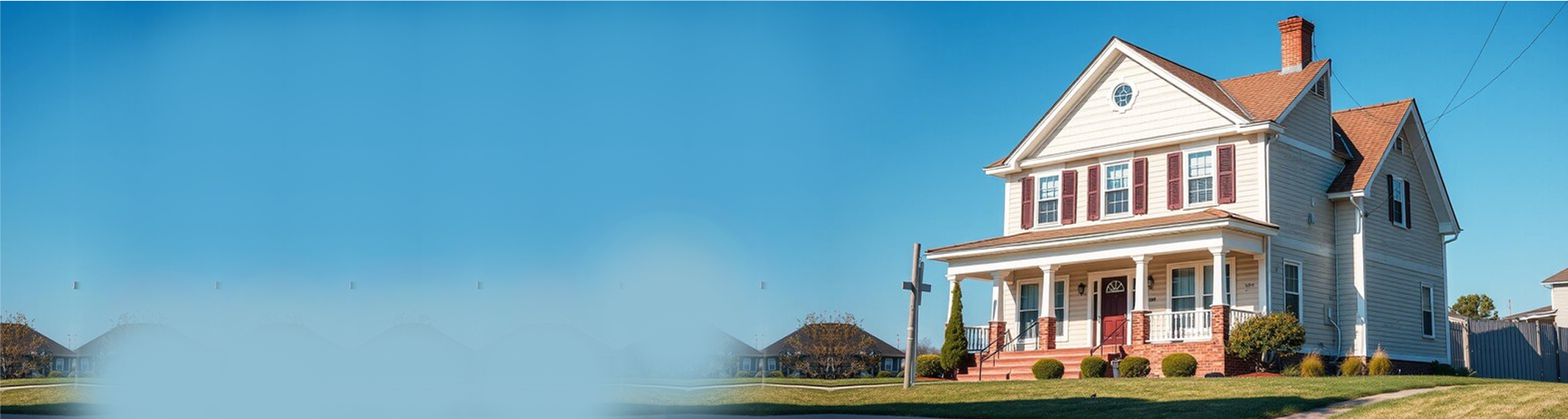
Not every house hits the market in perfect condition. Maybe you inherited a property with outdated wiring, or you've been putting off repairs for years, and now they've stacked up. Selling a house with repairs or code violations is a serious challenge, especially when traditional buyers and their lenders start asking questions. At Milo Buys Houses, we work with homeowners in this situation all the time. Keep reading to find out what your options are and how to move forward without sinking more money into a property you're ready to leave behind.

Most home buyers search for move-in-ready homes. They want to unlock the front door on closing day and start unpacking boxes, not schedule contractor appointments. When a property has visible damage, outdated systems, or code violations, traditional buyers lose interest fast. Their lenders make matters worse. Banks and mortgage companies require appraisals, and appraisers flag safety hazards, structural concerns, and code issues. A conventional loan won't fund if the property doesn't meet minimum standards. FHA and VA loans impose even stricter requirements. That means even if a buyer wants your house, they might not be able to close the deal. Sellers end up back at square one after weeks of showings, negotiations, and inspections. The longer a listing sits, the more buyers assume something's wrong. Price cuts follow, and the cycle continues until the seller either makes repairs or pulls the property off the market.
Code violations range from minor to severe, and any of them can derail a transaction. Unpermitted work is one of the most common problems. Maybe a previous owner added a bathroom, finished a basement, or enclosed a porch without pulling permits. The city may require you to bring the work up to current standards before the title can transfer. Electrical issues also raise red flags with inspectors and appraisers. Outdated panels, knob and tube wiring, or missing GFCI outlets near water sources all violate modern codes. Plumbing violations include improper venting, cross connections, and unpermitted water heaters. Structural concerns such as foundation cracks, sagging roofs, or load-bearing walls removed without engineering approval can trigger immediate correction orders from the municipality. Smoke detectors, carbon monoxide alarms, and egress windows also fall under code compliance in most jurisdictions. Local governments enforce different rules, so what passes in one city might fail in another just ten miles away. Title companies and lenders check for open permits and violations before closing, and unresolved issues can kill a deal at the last minute.
Repairs add up fast, and the math doesn't always work in your favor. A new roof can run $8,000 to $15,000, depending on size and materials. Rewiring an older home costs $10,000 or more. Foundation repairs start around $5,000 and climb into the tens of thousands for serious problems. Even cosmetic updates like paint, flooring, and landscaping can total several thousand dollars before you list. Then there's the time factor. Contractors are busy, permits take weeks to process, and inspections require scheduling around municipal availability. A project you planned to finish in one month might stretch to three or four. Meanwhile, you're still paying the mortgage, property taxes, insurance, and utilities on a house you want to sell. Some homeowners spend $20,000 or $30,000 on repairs only to discover the updated sale price doesn't cover their investment. You might recoup fifty cents on the dollar for major structural work. Kitchens and bathrooms return more, but code-related repairs rarely add equivalent market value. Before you commit to a renovation, calculate whether the expected price increase justifies the expense and the delay. In many cases, it doesn't.
Cash house buyers approach properties differently than traditional home buyers. They don't need bank approval, so appraisal requirements don't apply. They purchase houses in any condition and handle repairs after closing on their own timeline and budget. What matters to them is the underlying value of the asset. Location plays a role in their calculations. A house in a desirable neighborhood or school district has value even if it needs work. Lot size, zoning, and potential use also factor into their analysis. Cash house buyers evaluate the cost of repairs against the after-repair value of the property and make offers accordingly. They know what contractors charge for common jobs and can estimate renovation budgets with accuracy. They also understand code compliance and factor permit costs and timelines into their numbers. A house with code violations isn't a dealbreaker for this type of buyer. It's just part of the equation they solve every day. They'll account for the work required and present an offer that reflects the current condition rather than the future potential. For sellers, this means no surprises or drawn-out negotiations. You know exactly what you're getting and when you'll receive it. Closings can happen in as little as two weeks.
Selling as is doesn't mean you can hide problems from buyers. Every state has disclosure laws, and most require sellers to reveal known material defects in writing. This includes structural issues, water damage, pest infestations, lead paint, mold, and code violations you're aware of. Failure to disclose can result in legal action after closing. Buyers can sue for repair costs, diminished value, or rescission of the sale if they discover you withheld information. The as is designation simply means you won't make repairs before the transaction closes. It doesn't release you from telling buyers what you know about the property's condition. Document everything using your state's required disclosure forms and keep copies for your records. Honest disclosure protects you from liability and builds trust with serious buyers. Cash buyers expect full transparency and won't be scared off by a long list of issues. They'd rather know upfront than discover problems after they take ownership.
You don't have to fix everything, wait months for the right buyer, or wonder if your deal will fall apart at the last minute. Milo Buys Houses purchases properties in any condition, with or without code violations, and closes on your timeline. We make fair cash offers and handle all the details from contract to closing. If you're ready to sell your house and move on with your life, reach out today for a no-obligation offer. We're ready to help you skip the repairs and walk away with cash in hand.
Lorem ipsum dolor sit amet, consectetur adipiscing elit, sed do eiusmod tempor incididunt ut labore et dolore magna aliqua. Quis ipsum suspendisse ultrices gravida. Risus commodo viverra maecenas accumsan lacus vel facilisis.
View All Blogs
Selling a house usually means listing it, staging it, waiting for offers, and hoping the buyer's financing doesn't fall through at…
Foundation cracks and roof damage can make you feel like your house is unsellable. Traditional buyers run the other way, inspections…
Not every house hits the market in perfect condition. Maybe you inherited a property with outdated wiring, or you've been putting…

Selling a house for cash has become common, and scammers have caught on. Every week brings another story of a homeowner…

Most landlords assume they have to wait until a lease ends or go through a lengthy eviction before they can sell.…